 1 + 1 = 3. Order two packages and get the third one free
 Guide to receiving a gift

 Vitamins and Supplements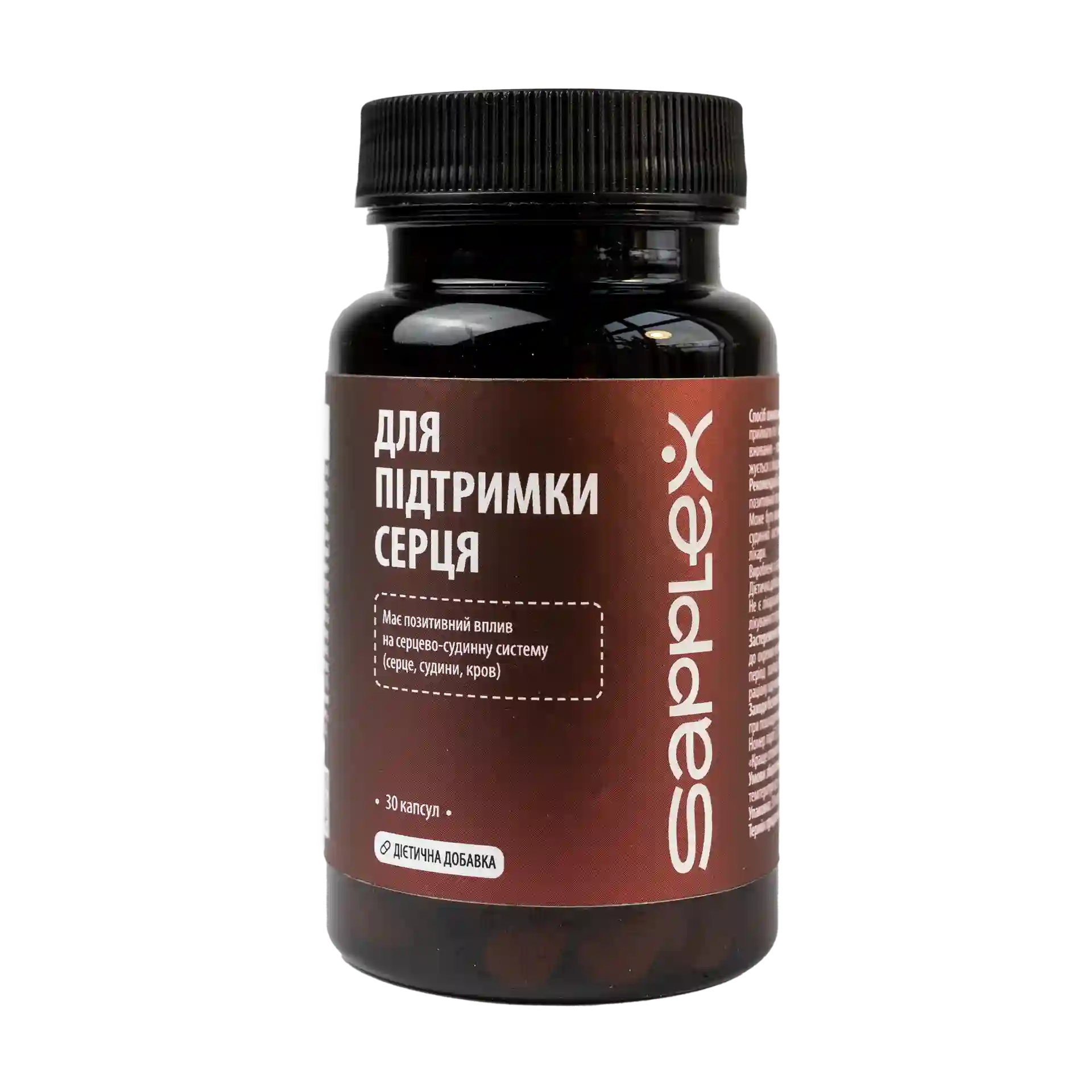
The cardiovascular system plays a major role in supplying oxygen and essential nutrients to the human body. The normal functioning of all organs, quality of life and longevity depend on the condition of blood vessels, veins, arteries, capillaries. After all, toxins that accumulate in the vessels over time lead to serious diseases such as stroke or heart attack. The recovery process after them takes a very long time and introduces many restrictions into a full-fledged human life. It is easier to prevent diseases of such a complex system than to undergo long-term drug therapy later.
It is necessary to maintain the health of the heart and the entire transport system, normalize blood circulation at any age, both through physical exercise, elimination of stress factors, bad habits and adherence to a rational diet. In addition, supplements, minerals, vitamins for the heart and blood vessels, omega 3 can prevent the development of many pathologies, as they will promote the production of red blood cells and normalize metabolic processes. However, you should always tell your doctor, pharmacist, or health advisor that you are taking any over-the-counter medications (in any form - tablets, drops, drinks). Combining some medications with other supplements or vitamins can lead to adverse reactions such as allergic rashes, high blood pressure, or even make the disease worse.
Major diseases of the cardiovascular system
According to statistics, cardiovascular diseases are one of the main causes of death worldwide.
Among the most common diseases, it is worth noting:
Ischemic heart disease (IHD), when the work of the main "engine" of a person is disrupted due to vascular disease and the lack of a sufficient amount of necessary substances for the work of the heart muscle.
Stroke is also associated with a lack of oxygen and other elements, which causes narrowing and clogging of the arteries.
Congenital heart defects require either surgical intervention or constant supervision, the use of necessary medications.
Arrhythmia or heart rhythm disturbance (accelerated or, conversely, slowed heartbeat) occurs under the influence of various factors, such as stress, alcohol consumption, physical exertion, and manifestations of other diseases.
Venous thrombosis - clogging of the veins of the legs with small blood clots, which can further block the access of blood to the heart, and therefore lead to its cessation.
A set of measures will help to improve blood flow, normalize blood pressure, reduce the appearance of blood clots and clogging of blood vessels by eating vegetables, fruits, eliminating too much salt from the diet (affects increased blood pressure), trans fats (provoke cholesterol deposits on the walls of blood vessels), and leading a proactive life. However, vitamins for the heart containing trace elements of group B, E, omega-3 and other trace elements, both in capsules and tablets, are only one part of the treatment, not a substitute for it.
It should be remembered that the diagnosis should be made by a specialist doctor after an examination, taking tests, undergoing cardiograms and ultrasound, and monitoring cardiac activity. Monitoring health status, preventive examinations at a doctor are a necessity for everyone who plans a long and fulfilling life.
What vitamins are needed for the heart, blood vessels and circulation?
For the proper functioning of the circulatory system, vitamins for the heart and blood vessels are necessary, namely:
Vitamin A is involved in metabolism and stops the development of atherosclerosis, is an antioxidant, fights inflammatory processes. Sources are: eggs, leafy vegetables, cod liver, fish oil, caviar, pumpkins, peppers, dairy products, mangoes, apricots.
Vitamin C prevents fragility, ruptures of blood vessels, reduces cholesterol accumulation, blood clot formation, improves heart muscle function, participates in collagen synthesis, which improves the flexibility of arteries. It has anti-inflammatory properties. The main suppliers of this trace element are bell peppers, broccoli, black currants, potatoes, citrus fruits, strawberries.
B vitamins are important for proper contraction of the heart muscle, production of hemoglobin, oxygen saturation of the blood. B3 is a vasodilator, B6 and B12 reduce the level of homocysteine (amino acid), destroy cholesterol, B1 facilitates muscle work. Avocados, whole grains, bananas, nuts, dried apricots, eggs, soy, beans will help saturate the body with group B.
Vitamin E is an antioxidant, prevents blood clots, myocardial development, normalizes blood pressure, maintains vascular elasticity, fights infections. Almonds, beets, peppers, greens, spinach, mangoes, kiwi, shrimp, seeds are rich in this nutrient.
Vitamin D reduces the risk of stroke, hypertension, restores endothelial cells after a heart attack. Eggs, butter, dairy products, fish, mussels, oysters, mushrooms have a large amount of this trace element.
Vitamin K stops calcium deposits in blood vessels and arteries, helps normalize blood clotting. Vitamin K can be added to the diet by consuming green leafy vegetables, meat products, nuts, cereals, spinach, cabbage.
Dietary supplements that normalize heart function usually contain not only vitamins, but also minerals (magnesium, potassium, calcium), omega3. Magnesium is involved in more than 300 biochemical reactions related to the activity of the heart and its rhythm. Omega3 (fatty acids) stops the development of inflammation and the formation of blood clots. Complexes of macro- and microelements are aimed at preventing the formation of blood clots, strengthening the walls of capillaries and blood vessels.
How to safely choose vitamins for the heart and blood vessels
The cardiovascular system has a complex structure, on which the functioning of the entire organism totally depends, therefore it requires special attention. Selection of medicines and necessary supplements for the health of the heart and blood vessels is an extremely important process. The correct combination of medicines, mixtures, determination of the necessary rate of physical activity, appointment of the use of certain products is fully reflected in the work of the heart. However, only a doctor has the right to prescribe medicines and the best vitamins for the heart, based on the conducted research. In addition, any supplements must be certified and undergo laboratory tests so that their quality is not in question.