 1 + 1 = 3. Order two packages and get the third one free
 Guide to receiving a gift

 Vitamins and Supplements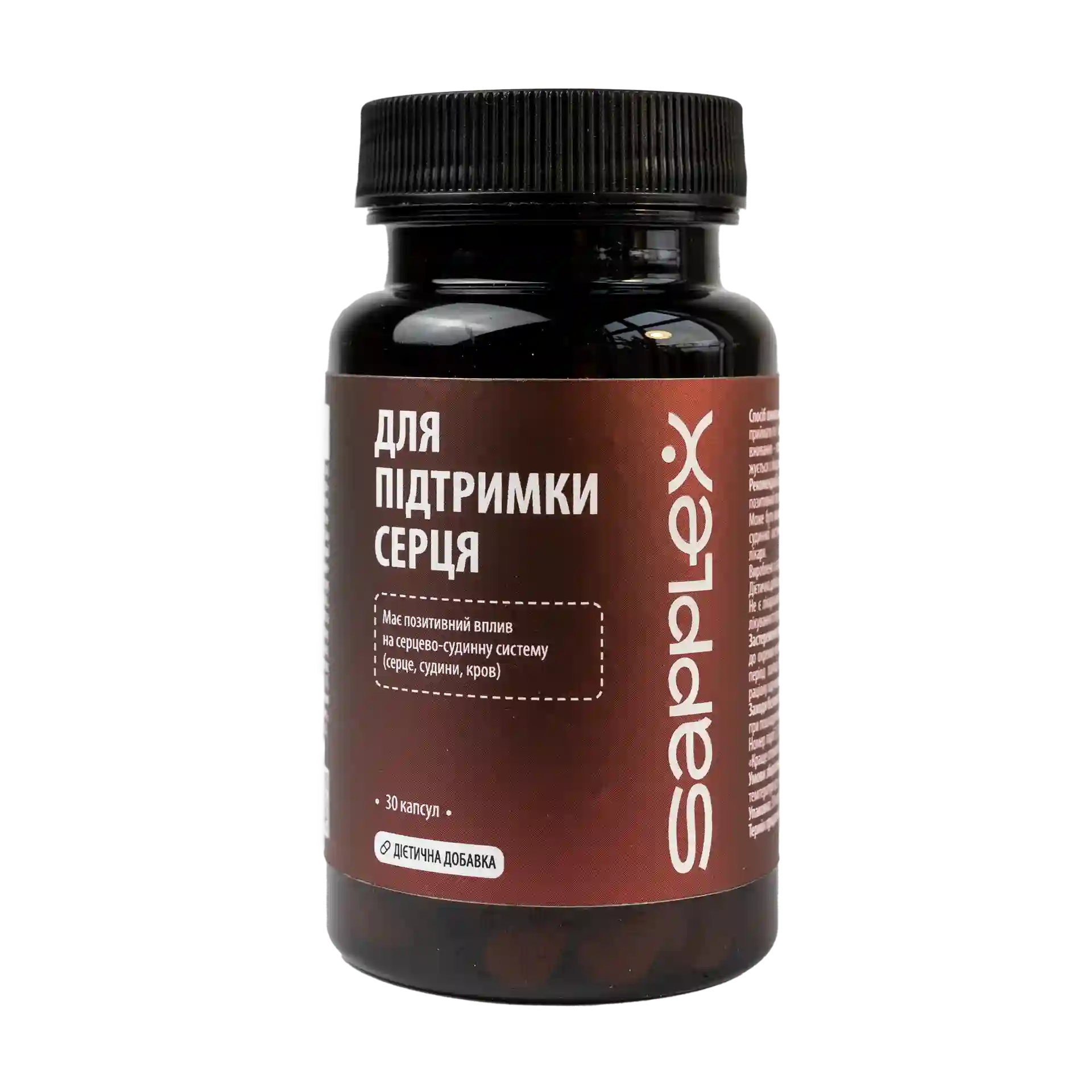
Hypertension (high blood pressure) means persistently high blood pressure and the heart working harder to pump blood throughout the body. Today, it is one of the most common diseases in the world.
It is generally accepted that hypertension is when the blood pressure reaches 130/80 millimeters of mercury (mm Hg) or higher.
Elevated blood pressure ranges between 120 and 129 mm Hg.
Stage 1 hypertension begins with readings of 130 to 139 mm Hg., stage 2 hypertension is from 140 mm Hg. and higher.
Elevated blood pressure may be accompanied by the following symptoms:
Headache.
Shortness of breath.
Nosebleeds.
Tinnitus/ringing in the ears, dizziness.
Ignoring symptoms, not seeing a doctor, and not taking preventive measures leads to:
Ischemic stroke.
Heart attack.
Aortic aneurysm.
Kidney problems.
Development of eye disease.
There are many scientific reports indicating that vitamins for normalizing blood pressure, dietary supplements, and mineral complexes significantly contribute to achieving therapeutic blood pressure indicators.
What vitamins help with hypertension (high blood pressure)?
Factors that can lead to such changes in organisms include:
Hereditary diseases.
Lack of vitamins.
Abuse of fried foods, excessive salt in the diet.
Sedentary lifestyle.
Age-related changes.
Diabetes, thyroid disease.
Vitamin complexes for high blood pressure should include:
Vitamin C / ascorbic acid - strengthens the walls of capillaries, aortas, improves the process of calcium metabolism, enhances the effect of drugs that have the ability to reduce persistently high blood pressure.
B vitamins have a wide range of pharmacodynamic properties, act as antioxidants and immunostimulants, protect cell membranes.
Vitamin A improves metabolism, prevents atherosclerosis, has an antioxidant effect.
Potassium and magnesium contribute to the expansion of blood vessels, magnesium acts as a vasodilator (dilator), regulates intracellular calcium and reduces noradrenaline. Potassium and magnesium have a particularly positive effect in prehypotension and hypertension 1
The combination of essential micronutrients and medications reduces the likelihood of developing negative side effects of hypertension, as well as the need for stronger medications.
What vitamins can increase blood pressure?
You should be careful when choosing vitamins and supplements, as they can raise or lower blood pressure.
You should not take vitamins with high blood pressure, such as:
Vitamin E, which can significantly increase blood pressure and accelerate heart contractions, especially in people with diabetes.
Vitamin D affects the absorption of calcium, and therefore the functioning of the cardiovascular system. Too high a level of Vitamin D can lead to calcium deposits on the walls of blood vessels.
Vitamin K is necessary for blood clotting, but interferes with the action of blood-thinning or hypertension drugs.
PP/niacin in significant doses can lead to high blood pressure.
Foods that can cause a short-term increase in blood pressure include: strong tea, coffee, certain herbal supplements, dark chocolate, or cocoa.
What vitamins help with low blood pressure?
Some of the symptoms of hypotension are weakness, nausea, drowsiness, headache, lack of appetite, and loss of balance.
Hypotension can be caused by a lack of:
Vitamin B12 is one of the main elements involved in the production of red blood cells, which are responsible for transporting oxygen throughout the body. An insufficient amount of this trace element leads to anemia, excessive bleeding, and organ damage. B12 is found in eggs, fish (salmon, tuna), and dairy products.
B9 (folic acid) is also involved in the production of healthy red blood cells. It is found in beans, greens (asparagus, broccoli), beef, and liver.
Iron is involved in the transfer of oxygen to all organs, DNA synthesis, and metabolism. Red meat, beef, is the main source of iron, as well as nuts, strawberries, blueberries, and blackberries.
To maintain normal health, a complex of actions is needed that combines traditional treatment methods and supplements and vitamins for low blood pressure.
Tips - diet, physical activity and vitamins for hypertension
In most cases, the development of hypertension begins with minor jumps in blood pressure over a short period of time, without any symptoms. That is why doctors strongly recommend constant monitoring of blood pressure and taking the necessary measures to stop the development of the process.
Taking vitamins, minerals affects:
Improving the natural mechanisms of blood pressure regulation, as they help improve blood circulation, dilate blood vessels.
General well-being and normalization of nutrients throughout the body.
Reduces negative side effects from taking medications.
A diet rich in fruits, vegetables, meat, fiber, seafood helps to lower blood pressure to 11 mm Hg. Obesity, excess weight complicate the work of the heart muscle. It is necessary to exclude spicy, fried foods from the diet, reduce alcohol consumption, salty foods.
Caffeine leads to a temporary increase in blood pressure, so excessive consumption (more than 2 cups) can negatively affect a person's well-being.
Normalizing sleep, eliminating stress factors, regular aerobic exercise will all contribute to the normalization of the body's work.