 1 + 1 = 3. Order two packages and get the third one free
 Guide to receiving a gift

 Vitamins and Supplements

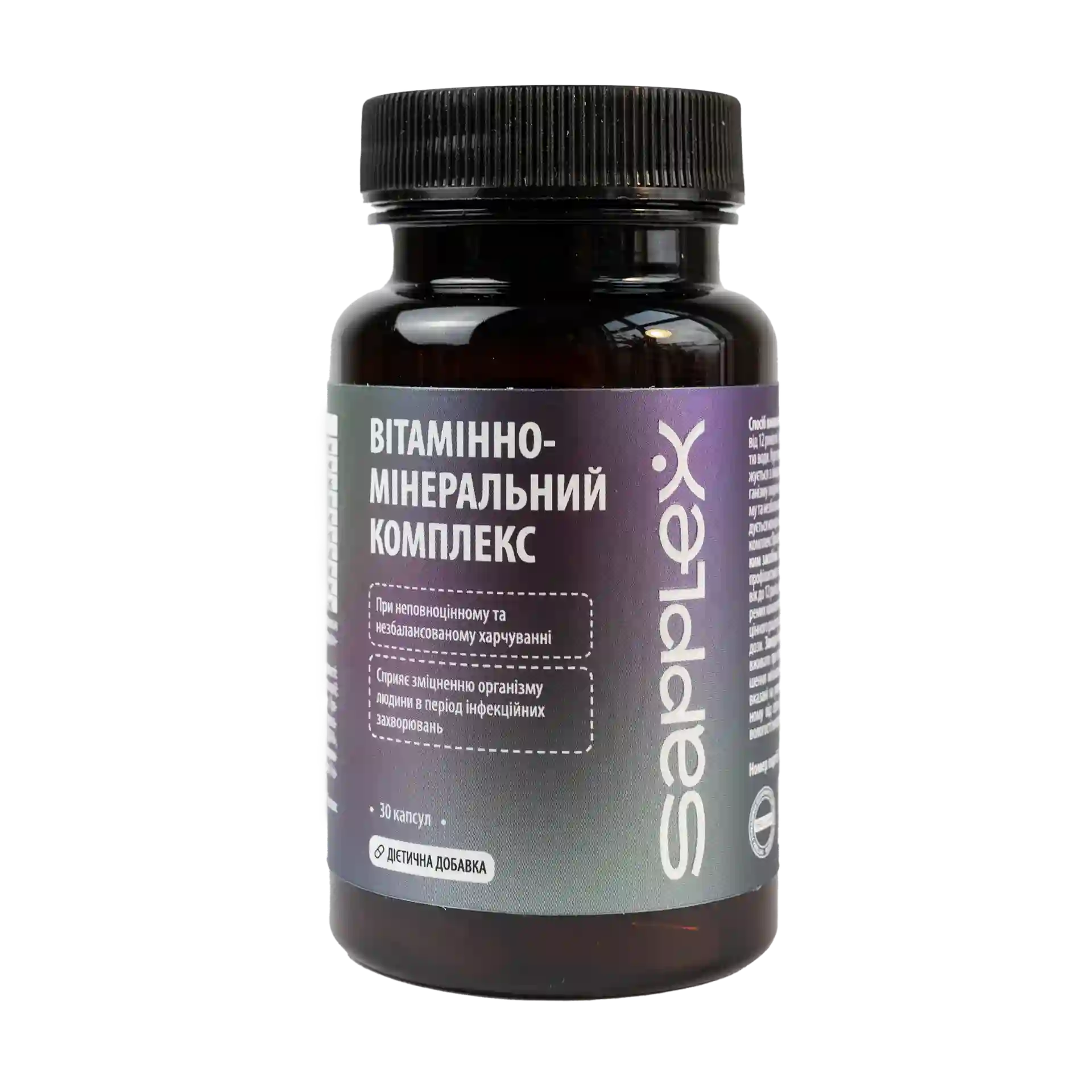
Essential vitamins needed by womenVitamins play an important role in maintaining a woman's health and beauty at all stages of life. They contribute to the normalization of metabolic processes, help maintain healthy skin, hair and nails, and also strengthen reproductive function. The physiological need for vitamins varies depending on age, hormonal changes, lifestyle and external factors. In this section of the Sapplex online store you will find women's vitamin complexes that will help support your body in great shape
Essential vitamins needed by women
Vitamins are essential organic compounds necessary for the normal functioning of the body. To maintain health, beauty and vitality, it is important to include in the diet vitamins and minerals that meet the individual needs of the body.
Let's consider the main vitamins that women need:
Vitamin D - supports bone health, promotes calcium absorption, and strengthens the immune system. Its deficiency can lead to fatigue and mood swings;
Calcium - is necessary for the strength of bones and teeth, as well as for the proper functioning of the heart and muscles. Especially important for women after 30 years, when a gradual decrease in bone mass begins;
Folic acid (B9) - a key element in supporting reproductive function, especially important when planning a pregnancy. Participates in the processes of hematopoiesis and helps prevent anemia;
Other B vitamins (B1, B2, B6, B12) - help cope with stress, improve the state of the nervous system and increase energy levels. Vitamin B12 is also important for normal metabolism and maintaining brain health;
C - a strong antioxidant that strengthens the immune system, promotes the production of collagen for skin elasticity and protects cells from damage;
E — maintains hormonal balance, improves skin condition, stimulates collagen production and reduces pain during menstruation;
K — helps strengthen bones and normalizes blood clotting processes, which is important for wound healing and preventing bleeding;
A — improves vision, helps maintain skin tone and slows down aging processes due to its antioxidant properties.
The modern rhythm of life and diets do not always allow a woman to obtain all the micro- and macroelements she needs from food. In such cases, high-quality vitamin complexes can be a reliable support for women of any age.
The main benefits of vitamins for women
The main advantages of vitamins for women are not only in their health and beauty benefits, but also in their convenience of use. Modern vitamin complexes are available in various forms - capsules, tablets, powders or even in the form of chewable lozenges, which allows you to choose the most comfortable option. They are designed taking into account the physiological needs of women, ensuring optimal assimilation of active ingredients thanks to carefully selected formulas.
One of the main advantages is the ability to precisely control the dosage. This helps to avoid both deficiency and overdose, especially in the case of fat-soluble vitamins that accumulate in the body. The convenient format of administration makes it easy to include supplements in the daily routine, providing the body with everything it needs even with a busy schedule and lack of time for proper nutrition.
Who is especially important to take vitamins for women?
Some women need increased attention to vitamin support because their bodies are undergoing special stresses or changes. Who and what vitamins are especially needed:
Pregnant and breastfeeding women
Pregnancy and lactation require significant resources from the body. Folic acid (B9) plays a key role in the development of the baby's nervous system and the prevention of birth defects.
Women during menopause
During this period, the body needs extra support. Vitamin D and calcium help fight osteoporosis, and vitamin E eases symptoms of hormonal changes, such as hot flashes and mood swings.
Female athletes
Active physical activity increases the need for B vitamins to maintain energy, while magnesium and vitamin C help with recovery after exercise. Vitamin D is also important for strengthening muscles and bones.
Women aged 30+
After the age of 30, the body begins to gradually lose bone mass. Calcium, vitamin D, and vitamin K help maintain bone strength, while antioxidants such as vitamins A and E protect cells from aging.
Women with special dietary preferences
Vegetarians and vegans may experience a lack of vitamins B12, D and iron, which usually come from animal foods. Complexes with these elements help to fill the deficiency.
Thus, individually selected complexes allow not only to maintain health, but also to adapt to changing living conditions.
Why do women have vitamin deficiencies?
Vitamin deficiency is a common problem that many women face, regardless of age and lifestyle. The lack of important elements can be associated with various factors:
Unbalanced diet. The modern rhythm of life often limits the possibilities of a full-fledged diet. Fast food and diets with insufficient content of fruits, vegetables and whole foods lead to a lack of vitamins and minerals.
Physiological changes. Pregnancy, lactation, menopause and hormonal changes increase the body's need for vitamins. If these features are not taken into account, the deficiency develops faster.
Stress and ecology. Constant emotional stress and poor ecology contribute to an increased consumption of vitamins, especially group B, as well as C and E, which are needed to protect cells from damage.
Lifestyle features. Intensive training, lack of sleep or increased workloads can cause an increased need for nutrients, which is difficult to fill with food alone.
To prevent vitamin deficiency, it is important to monitor your diet, adapt your diet to your lifestyle, and, if necessary, use high-quality vitamin complexes.
Vitamins for women from the age period
A woman's body has its own needs at every stage of life, which are important to consider to prevent a deficiency or excess of micro- and macronutrients. Regular use of women's vitamins, selected by age, will help you feel confident, stay energetic, and take care of your health at every stage of life.
For women under 20 years old
During growth and development, the body requires an increased intake of vitamins. Vitamin D and calcium are necessary for the formation of strong bones and teeth, vitamin C supports immunity, and B vitamins contribute to energy metabolism. It is also important to include iron in the diet to prevent anemia.
For women 20-30 years old
At this age, the body remains highly active, and it is important to support its function with vitamins D and E to maintain the beauty of the skin, biotin for healthy hair, and B9 to prepare for a possible pregnancy. Iron and magnesium help cope with physical exertion.
For women 30-40 years old
After 30 years of age, metabolism slows down, which requires support for the body. Vitamins A, C and E slow down the aging process, strengthen immunity and improve skin condition. Vitamins of group B help to cope with emotional stress and maintain energy.
For women 40-50 years old
Preparing for menopause is accompanied by hormonal changes, which increases the need for vitamins D and K to maintain bone strength, as well as B vitamins to stabilize mood and improve metabolic processes.
For women over 50
As you age, your body's needs change: vitamin D and calcium prevent osteoporosis, vitamin E improves heart and blood vessel function, and B12 helps maintain cognitive function. Omega-3 fatty acids and antioxidants reduce the risk of age-related changes.
How to choose quality vitamins for women?
Choosing quality supplements requires careful consideration to maximize your health benefits. Here are a few key factors to consider when making the right choice:
Purpose and composition. Choose complexes that meet your goals - maintaining immunity, improving skin condition, strengthening bones, etc. The composition should be balanced, without an excessive amount of artificial additives, dyes and preservatives.
Quality and certification. Buy women's vitamins only from trusted manufacturers who provide certificates of compliance with international quality standards. Such complexes undergo strict laboratory tests that confirm their effectiveness and safety.
Release form and dosage. Choose a convenient form. Tablets or capsules are suitable for everyday use in any conditions, powders and liquids for home use, and chewable forms for those who do not like to swallow pills. Pay attention to the dosage so that it meets your age and physiological needs.
Shelf life and storage conditions. An expired product loses its effectiveness, and improper storage can negatively affect its properties.
Seasonal features. In winter and spring, vitamins D and C are especially important to support immunity, and in summer and autumn, complexes with antioxidants are suitable for protection against ultraviolet radiation.
By choosing vitamin supplements that meet these criteria, you will provide your body with all the necessary substances.
How to take vitamins for women correctly?
Taking vitamins correctly is not only a guarantee of their maximum effectiveness, but also a way to avoid side effects.
What to consider:
Composition and dosage. Each vitamin has its own daily requirement, which depends on the age, lifestyle and health status of the woman. For example, for vitamin D, the optimal dose varies from 20 mcg for young women to 50 mcg in old age. For pregnant and lactating women, the dosage of some vitamins, such as B9 (folic acid), is increased to support the health of the mother and fetus.
Time of administration. Fat-soluble vitamins (A, D, E, K) are better absorbed with foods containing fats - for example, with nuts or avocados. Vitamins of group B and C, which are water-soluble in nature, are recommended to be taken in the morning so that they maintain energy throughout the day.
Avoid overdose. An excess of vitamins can be as dangerous as their deficiency. For example, an excess of vitamin A can cause dizziness, nausea and even liver problems, and an excess of vitamin D can lead to tissue calcification. Before taking any supplements, it is recommended to consult a doctor and follow the daily dosages specified in the instructions.
Conditions for taking and assimilation. Alcohol, coffee and some medications can reduce the effectiveness of vitamins. Use purified water to drink the supplements. To ensure faster absorption of vitamins, take them regularly.